
When you think about the golden age of theaters in the American South, the name saenger often comes to mind. These grand venues, built with flair and vision, have stood the test of time, bringing joy and wonder to countless audiences. From silent films flickering on screens to blockbuster Broadway shows, saenger theaters represent a rich tapestry of cultural history. Hey, it’s amazing how something started by two brothers over a century ago still lights up cities today. In this article, we’ll dive deep into the world of saenger, exploring its origins, architectural wonders, and enduring appeal. Whether you’re a history buff or just love a good show, there’s something here to spark your interest.
Saenger isn’t just a name; it’s a symbol of innovation in entertainment. Back in the early 1900s, when movies were new and exciting, saenger theaters popped up like mushrooms after rain, transforming downtown areas into hubs of activity. They offered escape, laughter, and a touch of magic. As we journey through this story, you’ll see how saenger has evolved while staying true to its roots. And who knows? You might even feel inspired to visit one yourself.
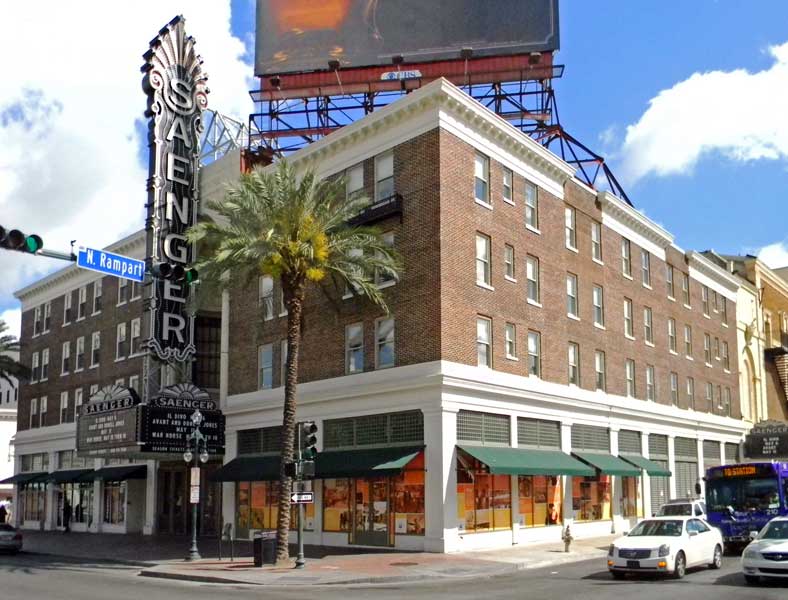
The elegant exterior of the Saenger Theatre in New Orleans, showcasing its historic charm.
The Founders Behind Saenger
Let’s start with the men who made saenger a household name: Julian and Abe Saenger. These brothers, hailing from humble beginnings, had a knack for spotting opportunities. Born in the late 1800s, they grew up in a time when entertainment was shifting from vaudeville stages to moving pictures. Julian, the more outgoing of the two, handled the business side, while Abe focused on operations. Together, they were unstoppable, like two peas in a pod.
Their story begins in Shreveport, Louisiana, where they opened a drugstore in the 1890s. But selling sodas and medicines wasn’t enough; they saw potential in amusement. By 1910, they established the Saenger Amusement Company, partnering with folks like E.V. Richards and L.M. Ash. This move was a game-changer. They started small, managing vaudeville houses, but soon expanded into building grand movie palaces. Imagine the excitement—people flocking to see the latest films in luxurious settings. The brothers’ vision was simple: make entertainment accessible and spectacular.
What set the saenger brothers apart was their optimism. Even during tough times like the Great Depression, they kept building. Julian once said something along the lines of, “Entertainment is the balm for hard days,” showing their belief in the power of a good show. Their company grew to operate over 300 theaters across the South, from Texas to Florida. By the 1920s, saenger was synonymous with quality entertainment. Their legacy? It’s still alive in the theaters bearing their name, reminding us that big dreams can lead to lasting impacts.
Birth of the Saenger Amusement Company
Ah, the early days of the Saenger Amusement Company—full of hustle and bustle. Founded officially in 1912 in Shreveport, the company quickly became a powerhouse. The brothers, along with their partners, aimed to dominate the amusement scene in the South. They weren’t just building theaters; they were creating experiences. By 1915, they had theaters in multiple states, and growth exploded in the 1920s.
One key to their success was partnering with Paramount Pictures in 1929. This deal, worth millions, allowed saenger theaters to show top films first. But it wasn’t all smooth sailing. The shift from silent movies to talkies required quick adaptations. The company installed sound systems overnight, ensuring audiences didn’t miss a beat. During this era, saenger venues hosted everything from orchestra performances to newsreels, keeping communities connected.
Optimistically, the company weathered economic storms. When the stock market crashed, many businesses folded, but saenger pivoted to affordable shows. Tickets were cheap, drawing families seeking relief. By the 1930s, though sold to Paramount-Publix, the saenger name endured. It’s inspiring how a small drugstore venture blossomed into an empire, proving that with grit and creativity, anything’s possible in the world of saenger.
Architectural Marvels in Saenger Theaters
If you’ve ever stepped into a saenger theater, you know the architecture steals the show. These buildings, designed by top architects like Emile Weil, were atmospheric masterpieces. Picture this: interiors mimicking Italian courtyards, with starry ceilings that make you feel outdoors under the night sky. Clouds drift by, thanks to clever projectors, and statues line the walls like silent guardians.
The style? Mostly Italian Renaissance or Baroque, with ornate details everywhere. Marble floors, crystal chandeliers, and plush seats created a sense of luxury. Back then, going to a saenger theater was like entering a palace—affordable opulence for the masses. Many featured Robert Morton organs, massive instruments that filled the air with music before films.
Bullet points on key architectural features:
- Starry Ceilings: Over 150 lights arranged as constellations, with effects for sunrises and clouds.
- Grand Lobbies: Spacious areas with fountains, murals, and gilded decorations.
- Balconies and Boxes: Tiered seating for optimal views, often with intricate railings.
- Marquees: Bold, vertical signs that lit up city streets, drawing crowds.
These designs weren’t just pretty; they enhanced the experience. In an optimistic light, saenger architecture showed that beauty could be democratic, available to all. Even today, restored theaters preserve these elements, connecting us to a glamorous past through saenger.
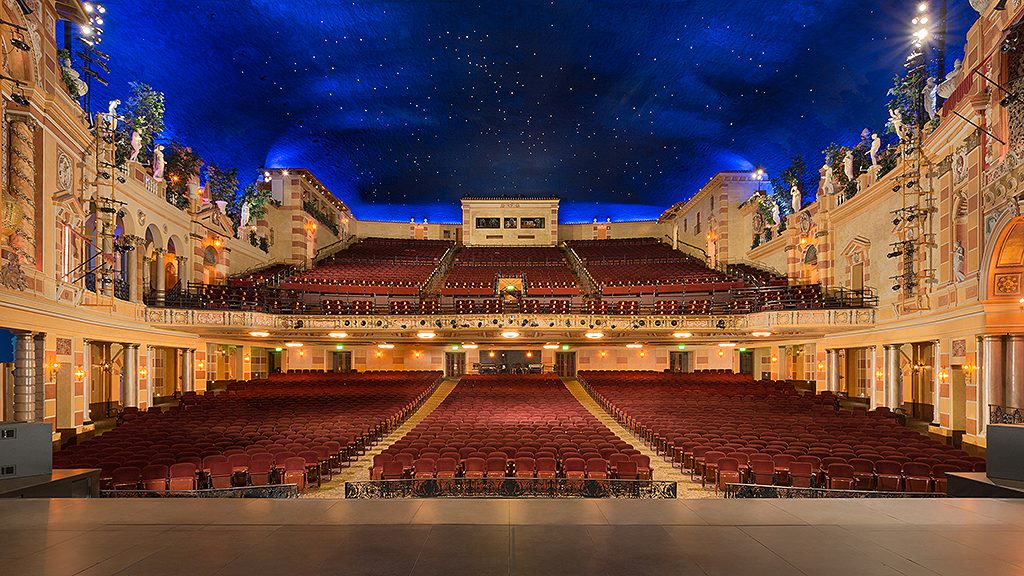
The stunning interior of the Saenger Theatre in New Orleans, featuring its atmospheric starry ceiling.
The Iconic Saenger Theatre in New Orleans
No discussion of saenger is complete without spotlighting the flagship: the Saenger Theatre in New Orleans. Opened in 1927 on Canal Street, this gem cost $2.5 million—a fortune back then. With 4,000 seats originally, it was a hub for silent films, vaudeville, and orchestras. The opening night? A parade down the street, tickets at 65 cents, and pure excitement.
Over the years, it faced changes. In the 1960s, it was split into two theaters, but that didn’t last. By 1977, it earned historic status, leading to renovations. The 1980 reopening featured Johnny Carson, signaling a new era as a performing arts center. Then came Hurricane Katrina in 2005, flooding the basement and damaging much. But here’s the optimistic part: a $53 million restoration in 2013 brought it back better than ever, with LED stars and expanded stages.
Today, managed by the Ambassador Theatre Group, it hosts Broadway hits, concerts, and comedies. Seating now at 2,600, it’s intimate yet grand. The Robert Morton organ, a prototype “Wonder Morton,” still wows. Visiting this saenger venue feels like stepping into history, where resilience shines through every performance.
Other Notable Saenger Theaters Across the South
While New Orleans’ saenger steals the spotlight, others deserve applause too. These theaters dotted the landscape, each with unique stories. For instance, the Saenger Theatre in Mobile, Alabama, opened in 1927 and now hosts symphonies and musicals after restorations. Pensacola’s version, from 1925, survived fires and hurricanes, emerging as a cultural anchor.
In Hattiesburg, Mississippi, the 1929 saenger started with silent movies and now seats 978 for local events. Pine Bluff, Arkansas, has one listed on historic registers, known for its Art Deco touches. Even in Texarkana, Texas, the Perot Theatre (formerly saenger) thrives.
Here’s a table summarizing some key saenger theaters:
| Location | Opening Year | Current Capacity | Notable Features |
|---|---|---|---|
| New Orleans, LA | 1927 | 2,600 | Atmospheric ceiling, historic organ |
| Mobile, AL | 1927 | 1,921 | Baroque interior, Broadway venue |
| Pensacola, FL | 1925 | 1,641 | Restored marquee, community events |
| Hattiesburg, MS | 1929 | 978 | Downtown fixture, silent film origins |
| Biloxi, MS | 1929 | 1,500 | Gulf Coast charm, post-Katrina rebuild |
These spots show saengere’s widespread influence. Optimistically, many have been revived, preserving heritage while hosting modern shows. From small towns to big cities, saenger theaters unite communities through art.
Challenges Faced by Saengere Theaters
Life hasn’t always been a bed of roses for saengere theaters. Economic downturns, like the Depression, forced adaptations—lower prices, varied programming. World War II brought shortages, but they soldiered on with patriotic films.
Mid-century shifts to TV hurt attendance, leading to closures or modifications. Some saenger venues became piggyback theaters, splitting spaces. Hurricanes, floods, and urban decay added woes. Katrina devastated New Orleans’ saenger, with water ruining seats and organs.
Yet, in true optimistic spirit, communities rallied. Preservation groups, grants, and tax credits funded revivals. For example, Hattiesburg’s saengere got a facelift in the 2000s, becoming a downtown gem. These challenges highlight resilience; saenger theaters bounced back, stronger and more appreciated.
Notable Performances and Events at Saenger
Oh, the stars that have graced saengere stages! From early days with silent film orchestras to modern concerts, the lineup dazzles. In New Orleans, Styx recorded a live album in 1983, and Jerry Seinfeld reopened it post-renovation.
Mobile’s saenger saw legends like Duke Ellington and modern acts like Hamilton. Pensacola hosted Bob Dylan and classic movie series. Bullet points of highlights:
- Music Icons: Elvis Presley, The Rolling Stones in various saenger spots.
- Broadway Hits: The Lion King, Wicked, drawing huge crowds.
- Comedy Nights: From Johnny Carson to current stand-ups.
- Film Festivals: Summer classics like The Wizard of Oz.
These events create memories, fostering community bonds. Optimistically, saengere continues attracting top talent, ensuring vibrant futures.
The Enduring Legacy of Saenger Today
In today’s fast-paced world, saenger theaters remain relevant. Restored with modern amenities—better sound, AC—they blend old charm with new tech. Ownership varies, from cities to groups like ASM Global, but the spirit endures.
They boost economies, drawing tourists and locals. Educational programs teach history, inspiring youth. As cultural hubs, saengere venues promote diversity in arts. Looking ahead, with streaming’s rise, live experiences at saenger offer irreplaceable magic. It’s heartening to see this legacy thrive, proving saengere’s timeless appeal.
FAQs
What is the origin of the name saengere?
The name comes from brothers Julian and Abe Saengere, who founded the amusement company in the early 1900s in Louisiana.
How many saenger theaters are still operating?
Several, including those in New Orleans, Mobile, Pensacola, and Hattiesburg, with many restored for modern use.
What makes saenger theaters architecturally unique?
Their atmospheric designs, with starry ceilings and Baroque elements, create immersive experiences like outdoor courtyards.
Have saenger theaters faced any major disasters?
Yes, like Hurricane Katrina damaging the New Orleans venue, but renovations have brought them back stronger.
Can I visit a saenger theater for events today?
Absolutely! Check official websites for upcoming shows, from concerts to Broadway productions.
Fazit
In wrapping up, saenger stands as a shining example of enduring cultural heritage. From humble beginnings to grand restorations, these theaters have enriched lives across generations. Their story teaches us about perseverance and the joy of shared experiences. Whether catching a show or admiring the architecture, saenger invites us to celebrate the arts. Here’s to many more years of magic under those starry ceilings—saenger truly lights the way forward.