
Nestled where the mighty Danube meets the Wörnitz River, donauwörth stands as a vibrant testament to Bavaria’s rich tapestry. This charming town in southern Germany isn’t just a dot on the map; it’s a living, breathing hub of history, culture, and natural beauty that draws visitors from far and wide. With its colorful facades, winding streets, and a spirit that’s as resilient as the rivers that cradle it, donauwörth offers a perfect blend of old-world charm and modern vitality. As we dive into this article, you’ll see why donauwörth isn’t merely a destination—it’s an experience that leaves you optimistic about the enduring allure of small-town Europe.
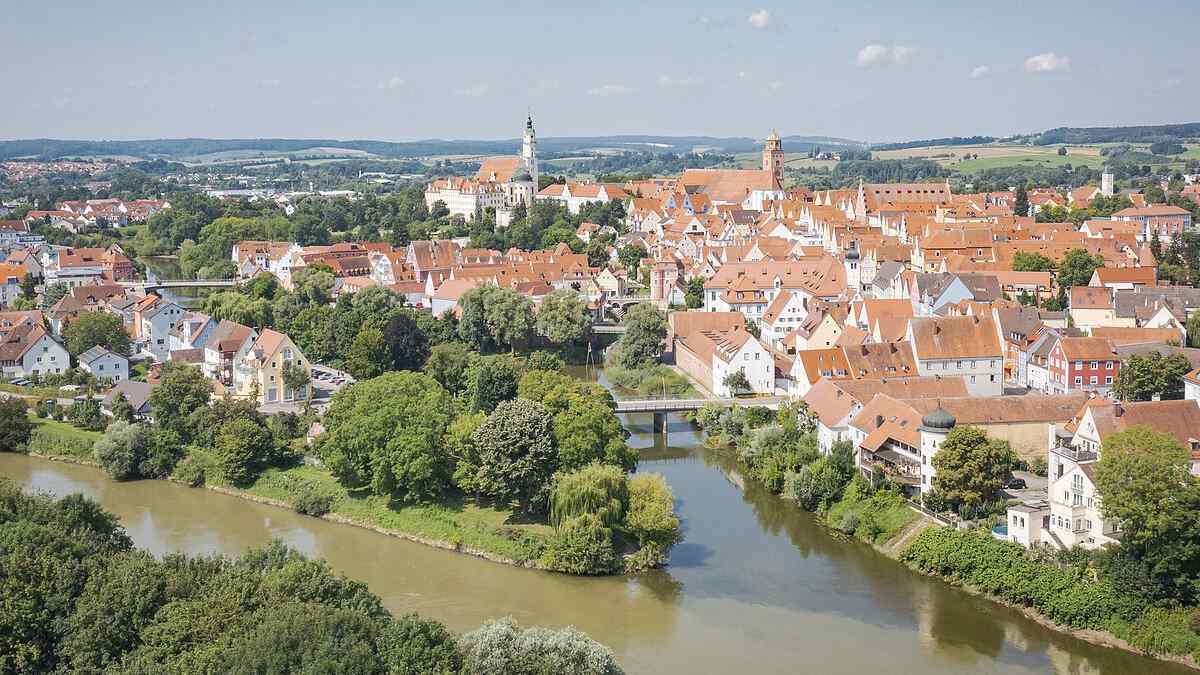
Aerial view of donauwörth showcasing its riverside charm and historic rooftops.
Whether you’re a history buff, a nature lover, or simply someone seeking a peaceful getaway, donauwörth has something to spark your interest. Its position on the famed Romantic Road only adds to its appeal, promising scenic drives and unforgettable stops. Let’s explore what makes donauwörth so special, from its storied past to its promising future.
The Fascinating Origins of Donauwörth
Legend has it that donauwörth sprang from humble beginnings, founded by two fishermen at the confluence of the Danube and Wörnitz rivers. This spot, rich in natural resources, quickly grew into a settlement during the 11th and 12th centuries, sheltered by the imposing Mangoldstein Castle. By the mid-13th century, it had become a seat for Duke Ludwig II of Bavaria, though he famously fled to Munich to escape personal troubles. Gaining the status of a free imperial city in 1308, donauwörth held its ground against Bavarian encroachments for centuries, showcasing the town’s early resilience.
Fast forward to the 17th century, and donauwörth found itself at the heart of religious turmoil. In 1606, a riot erupted when the Lutheran majority prevented Catholic residents from holding their annual Markus procession, an event that helped ignite the devastating Thirty Years’ War. Yet, even amid such chaos, the town endured, later becoming a key site in battles like the storming by Gustavus Adolphus in 1632 and capture by Ferdinand III in 1634. These episodes, while turbulent, underscore donauwörth’s pivotal role in shaping German history.
Pivotal Battles That Shaped Donauwörth
Donauwörth’s strategic location made it a battleground for major conflicts, turning what could have been setbacks into stories of survival and growth. Take the Battle of Schellenberg in 1704 during the War of the Spanish Succession—here, the Duke of Marlborough’s forces surprised the French, securing a vital crossing over the Danube and capturing the town. This victory not only highlighted donauwörth’s military importance but also paved the way for its restoration as a free imperial city in 1714.
Then there’s the Battle of Donauwörth in 1805, which kicked off Napoleon’s Ulm campaign, opening doors to further European conquests. Despite heavy bombing in World War II, donauwörth bounced back with remarkable optimism, preserving its medieval core while embracing reconstruction. Today, these historical scars are badges of honor, attracting tourists eager to walk in the footsteps of legends. It’s no wonder donauwörth continues to thrive, turning its past challenges into opportunities for cultural enrichment.
Geography: Where Rivers Meet and Landscapes Inspire
Perched at 48°42′N 10°48′E in Bavaria’s Swabia region, donauwörth enjoys an enviable spot at an elevation of 410 meters. Spanning 77.04 square kilometers, the town lies between Munich and Nuremberg, just 46 kilometers north of Augsburg, making it a convenient stop on any Bavarian itinerary. The confluence of the Danube and Wörnitz isn’t just picturesque—it’s a natural wonder that has sustained life here for centuries.
The surrounding landscape, part of the Romantic Road, features rolling hills, lush greenery, and the occasional vineyard, offering a breath of fresh air for hikers and cyclists. Donauwörth’s riverside promenades invite leisurely strolls, where you might spot locals fishing or simply soaking in the views. With its temperate climate—mild summers and crisp winters—the town shines in every season, promising outdoor adventures that rejuvenate the soul. In donauwörth, nature isn’t an afterthought; it’s the heartbeat that keeps the community vibrant and forward-looking.
Demographics: A Growing and Diverse Community
As of late 2024, donauwörth boasts a population of around 19,990 residents, with a density of about 259.5 people per square kilometer. This figure reflects steady growth from earlier counts, like the 18,600 noted in 2013, signaling a town on the upswing. The community is a mix of long-time locals and newcomers, drawn by the area’s economic opportunities and quality of life.
Here’s a quick snapshot of donauwörth’s demographics in a table for clarity:
| Aspect | Details |
|---|---|
| Total Population | 19,990 (2024) |
| Density | 259.5/km² |
| Median Age | Approximately 43 years (estimated from regional trends) |
| Urbanization Rate | High, with focus on sustainable growth |
| Foreign Residents | Around 10-15% (diverse backgrounds enhancing cultural fabric) |
This blend fosters a welcoming atmosphere, where traditions mingle with fresh perspectives. Families thrive here, thanks to low crime rates and community events that bring everyone together. Looking ahead, donauwörth’s demographics point to a bright future, with young professionals adding dynamism to this riverside haven.
Economy: Industries Driving Donauwörth Forward
Donauwörth’s economy hums with activity, anchored by robust industries that blend tradition with innovation. Steel and motor-vehicle manufacturing dominate, providing stable jobs and contributing to the town’s prosperity. A standout is the large helicopter assembly and service plant—think Airbus Helicopters—which employs thousands and positions donauwörth as a key player in aerospace. This sector not only boosts local GDP but also attracts international talent, fostering a global outlook.
Tourism plays a growing role too, with the Romantic Road drawing visitors who spend on accommodations, dining, and souvenirs. Small businesses, like the Eduard Edel Candy Factory, add sweet touches to the economy, preserving artisanal crafts while innovating for modern markets. Commercial areas and business parks are expanding, signaling optimism for sustainable development. In donauwörth, economic growth isn’t about rapid change; it’s about building on strengths, ensuring a prosperous tomorrow for all.
Cultural Heritage: Traditions Alive in Donauwörth
Culture in donauwörth is like a warm embrace—familiar yet full of surprises. Rooted in its imperial past, the town celebrates a heritage that includes religious sites like the Kloster Heilig Kreuz, with its ornate altar decorations. Twinning with international towns enhances this, promoting cross-cultural exchanges that enrich local life.
Traditions here run deep, from beer brewing at the Donauwörth Brewery to candy-making at Eduard Edel. The town’s colorful facades along Reichsstrasse reflect a love for aesthetics, making every walk a visual feast. And let’s not forget the optimistic spirit: despite historical divides, donauwörth today unites in celebrating its shared legacy, turning potential divisions into points of pride.
Festivals and Events: Celebrating Life in Donauwörth
If there’s one thing donauwörth does exceptionally well, it’s throwing a party. The annual Old Town Festival in July transforms the center into a lively mile of entertainment, with music, food, and crafts that capture the town’s joyful essence. For families, the Medieval Festival for Children offers hands-on history, engaging young minds in cultural fun.
Other highlights include:
- The Scharlachrennen, a 15th-century horse race that thrills crowds with tradition and excitement.
- Fasching season starting in November, complete with parades and costumes that bring out the community’s playful side.
- Christmas markets, where twinkling lights and mulled wine create magical winter memories.
These events not only preserve traditions but also boost tourism, injecting energy into donauwörth’s social scene. It’s events like these that make you feel part of something bigger, fostering connections that last.
Must-Visit Attractions in Donauwörth
No trip to donauwörth is complete without exploring its top sights, each telling a unique story. The Käthe-Kruse-Puppen-Museum stands out, housing a delightful collection of dolls that captivates visitors of all ages. Nearby, the Wallfahrtskirche Heilig-Kreuz offers spiritual serenity with its historic architecture.
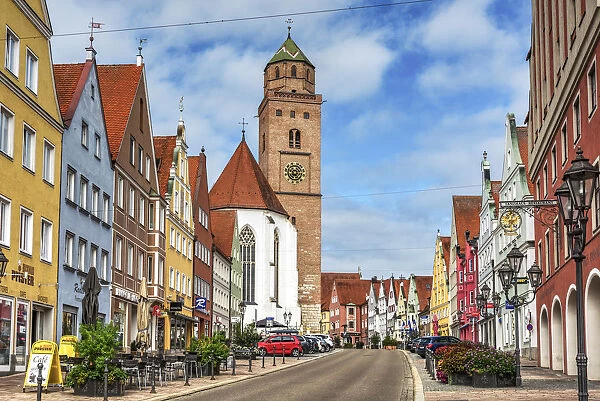
The vibrant Reichsstrasse street, a highlight of donauwörth’s historic center.
Stroll down Reichsstrasse, lined with colorful townhouses and cafes—it’s the heart of donauwörth’s charm. Don’t miss the Rieder Tor, a medieval gate that whispers tales of fortifications past. For nature enthusiasts, the Donauspitz promenade at the river confluence provides stunning views, perfect for picnics or reflection. And atop the Schellenberg, a 360-degree panorama awaits, reminding you of the battles fought and the peace now enjoyed. These attractions aren’t just sights; they’re gateways to understanding donauwörth’s optimistic soul.
Transportation and Accessibility in Donauwörth
Getting to and around donauwörth is a breeze, thanks to its well-connected infrastructure. Situated on major routes, the town benefits from excellent rail links—trains from Munich or Nuremberg whisk you here in under two hours. The postal code 86609 and dialing code 0906 make it easy to navigate logistics.
Once arrived, biking or walking is ideal, with paths along the rivers promoting eco-friendly exploration. For longer jaunts, buses and cars suffice, especially along the Romantic Road. This accessibility ensures donauwörth remains open to all, inviting more visitors to discover its treasures and contribute to its growth.
Education and Future Prospects for Donauwörth
Education in donauwörth lays a strong foundation for the next generation, with schools emphasizing both academics and cultural awareness. While specific details are sparse, regional trends suggest a focus on STEM, given the aerospace industry presence, preparing youth for local jobs.
Looking forward, donauwörth’s future gleams with promise. Investments in sustainable tourism and industry expansion signal growth, while preserving heritage ensures authenticity. As a district capital, it’s poised for innovation, blending tradition with progress. In donauwörth, the horizon is bright, full of opportunities that inspire confidence.
FAQs
What is the best time to visit donauwörth?
Summer months, especially July for the Old Town Festival, offer vibrant events and pleasant weather, making it ideal for exploring donauwörth’s attractions.
How can I get to donauwörth from Munich?
Take a direct train from Munich Hauptbahnhof; the journey takes about 1.5 hours, landing you right in the heart of donauwörth.
What are some family-friendly activities in donauwörth?
The Käthe-Kruse-Puppen-Museum and Medieval Festival for Children are hits, providing fun, educational experiences in donauwörth.
Is donauwörth part of the Romantic Road?
Yes, donauwörth is a key stop on this scenic route, offering picturesque views and historic sites that enhance any road trip.
What local foods should I try in donauwörth?
Sample sweets from Eduard Edel Candy Factory or beers from the local brewery—true tastes of donauwörth’s culinary heritage.
Fazit
In wrapping up, donauwörth emerges not just as a town, but as a beacon of Bavarian resilience and charm. From its river-kissed geography to its thriving economy and cultural festivities, every aspect invites optimism. Whether wandering historic streets or envisioning its bright future, donauwörth leaves an indelible mark. As you plan your next adventure, remember: donauwörth awaits, ready to share its stories and inspire your own.